Witney Unheard
27 August 2026
How can a museum become more accessible?
For us, an important part of the answer has been to listen to the people who use it.
From September 2025 to April 2026, Witney & District Museum worked with MyVision Oxfordshire and people with lived experience of visual impairment on Witney Unheard: Voices Through Time. Supported by the Oxford University Museums Partnership Associates Scheme and our National Lottery Heritage Fund project, Witney’s Got Wool and What Else?, the project set out to explore Witney’s heritage through sound while helping us think differently about accessibility across the museum.
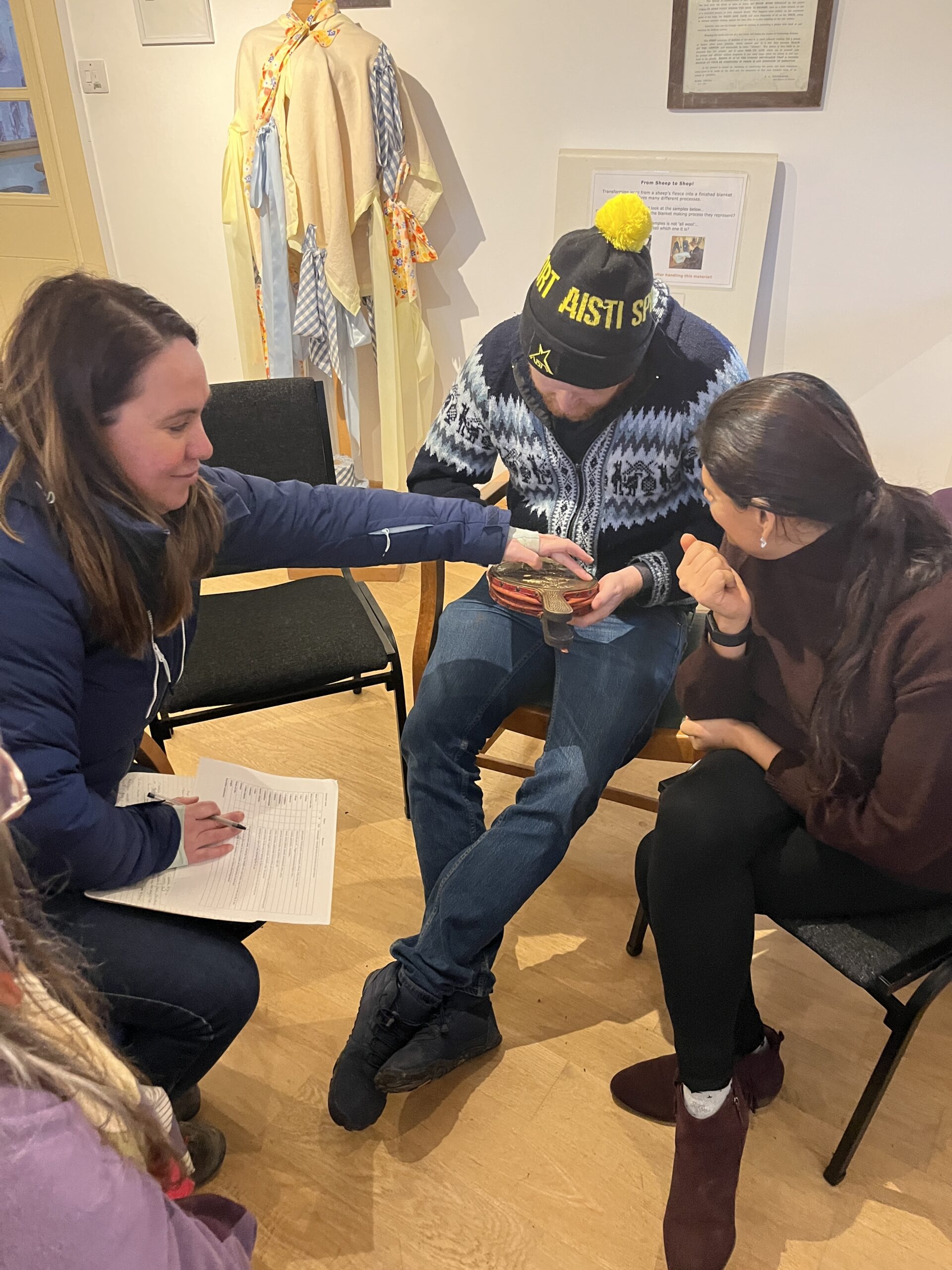
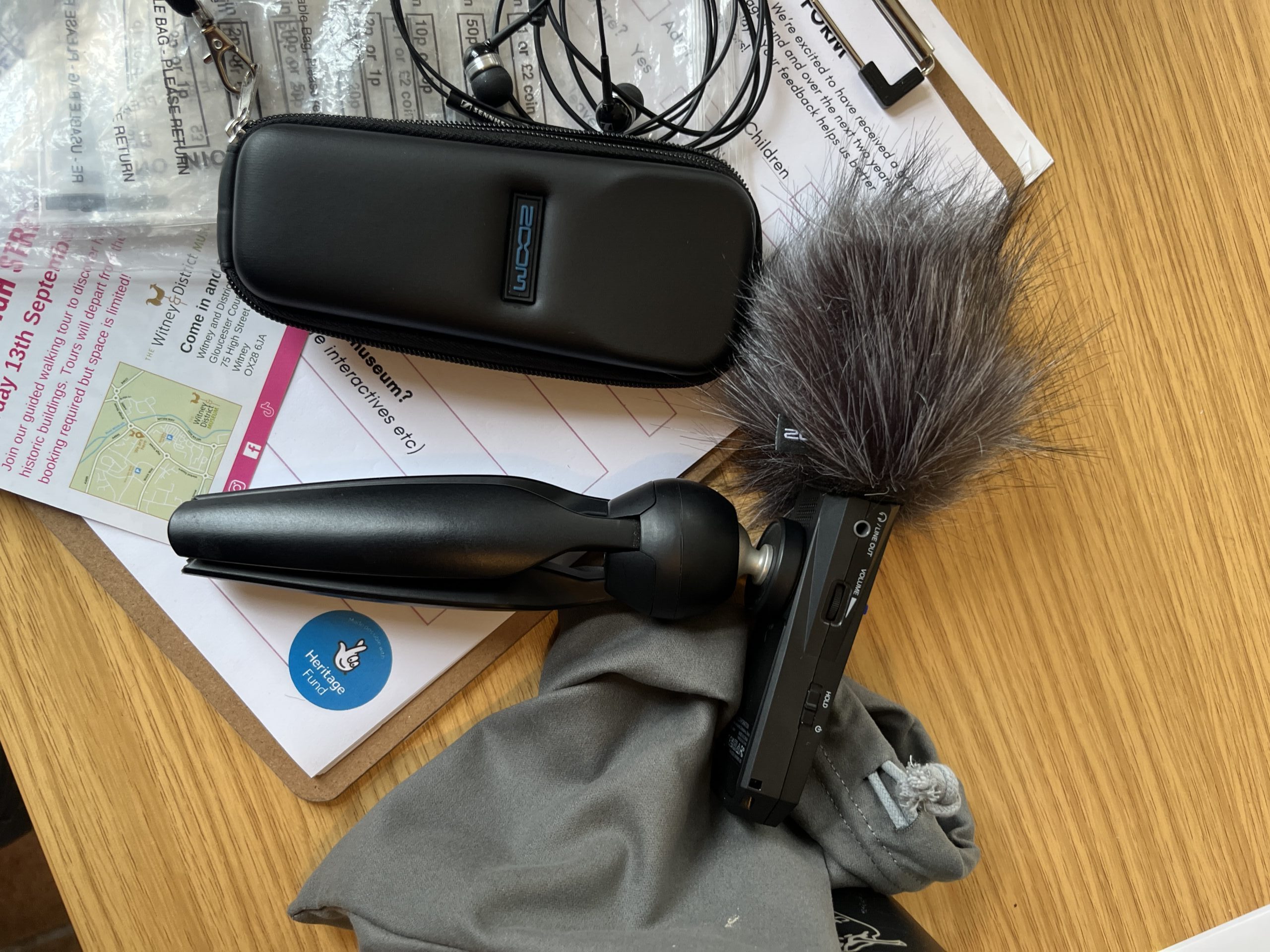
Sound was at the heart of the project. Through workshops, participants explored objects, memories and places connected with Witney, learning skills in oral history, audio description and editing along the way. These sessions have contributed new oral histories to the museum’s collection, ensuring that the experiences and voices of local people become part of the history we preserve.
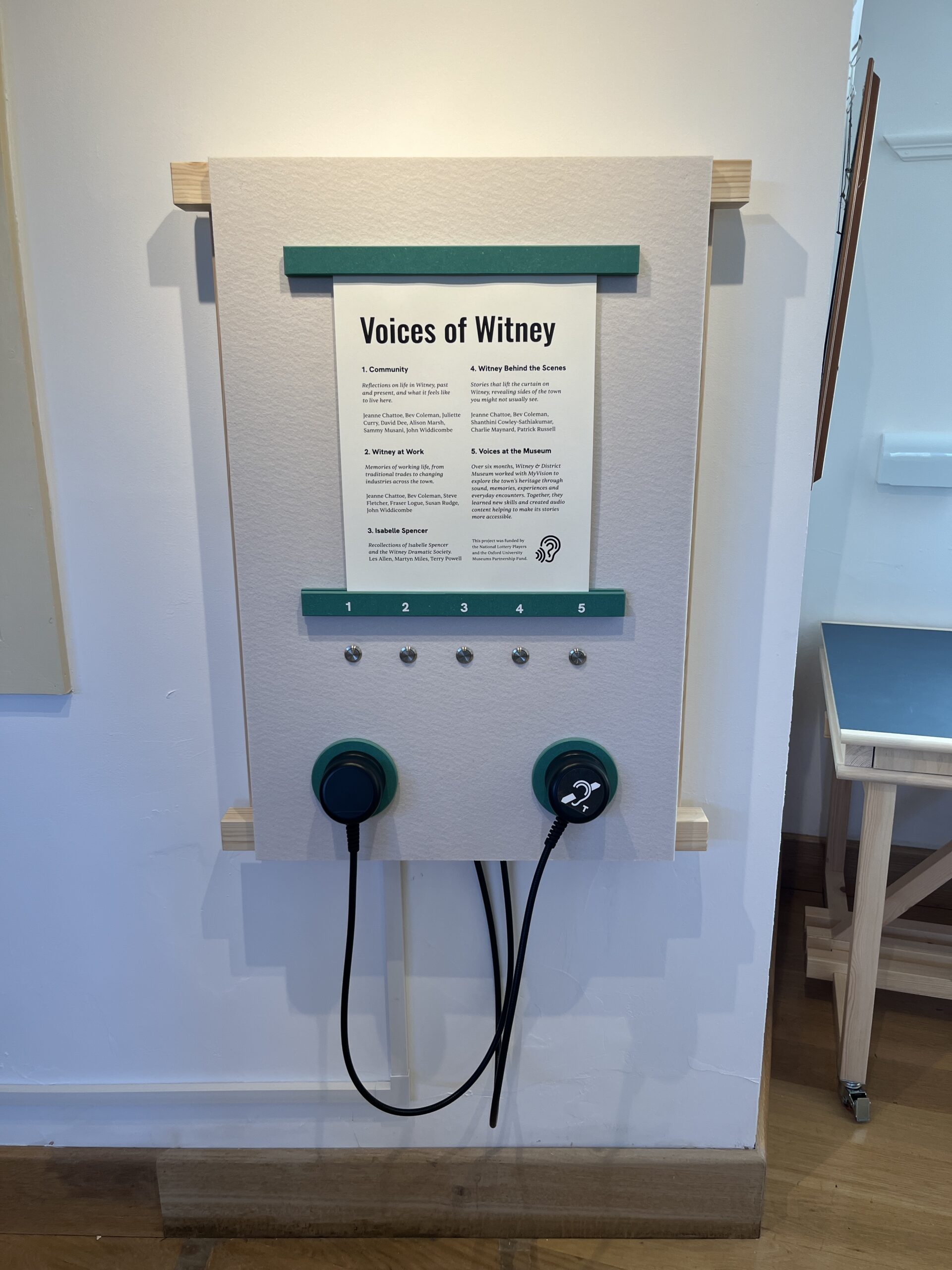
Participants also worked together to create a soundscape of Witney. Environmental sounds, memories and spoken voices offer another way to experience the town and its history, one that does not depend on looking at an object or reading a museum label. The finished soundscape can now be heard through the museum’s new listening post.
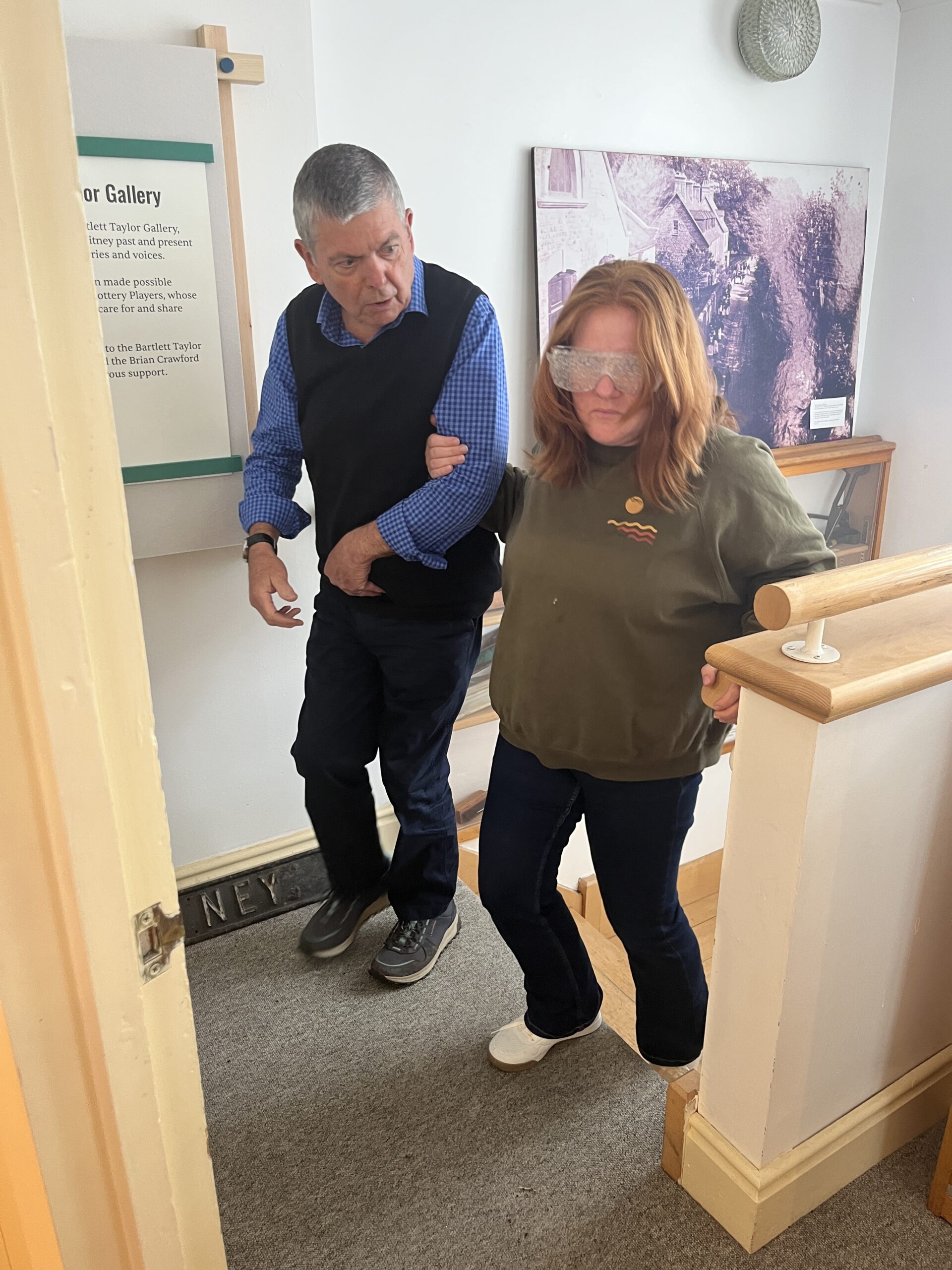
But Witney Unheard was about more than producing audio. More than two million people in the UK are living with sight loss, and this figure is predicted to rise to over four million by 2050. With nearly 80% of people with sight loss aged 65 or over, making museums welcoming and accessible to blind and visually impaired visitors is increasingly important. MyVision provided lived-experience consultancy services, helping us consider how the museum could work better for blind and visually impaired visitors as well as Visual Impairment Awareness Training. From exploring displays and interpretation to thinking about how visitors navigate the building, their input has helped us build accessibility into the way we make decisions, rather than considering it only at the end of a project.
This consultation has led to practical changes too. It has informed the development of accessible resources, including a tactile map of the museum, a 3D printed replica of our much loved cockerel as well as our approach to audio content and the accessibility of our new Discover Witney interactive. This fulfils an important ambition of the original project: that what we learned together would inform future exhibitions and programming and create lasting change.
For a small, volunteer-run museum, the project has been a valuable opportunity to learn from our community. Accessibility is an ongoing process, and there is still more for us to do, but Witney Unheard has given us new tools, new perspectives and, importantly, new voices to listen to.
Visit Witney & District Museum to hear the soundscape, explore our new displays and discover Witney’s history in new ways.
This project was delivered in partnership with MyVision Oxfordshire